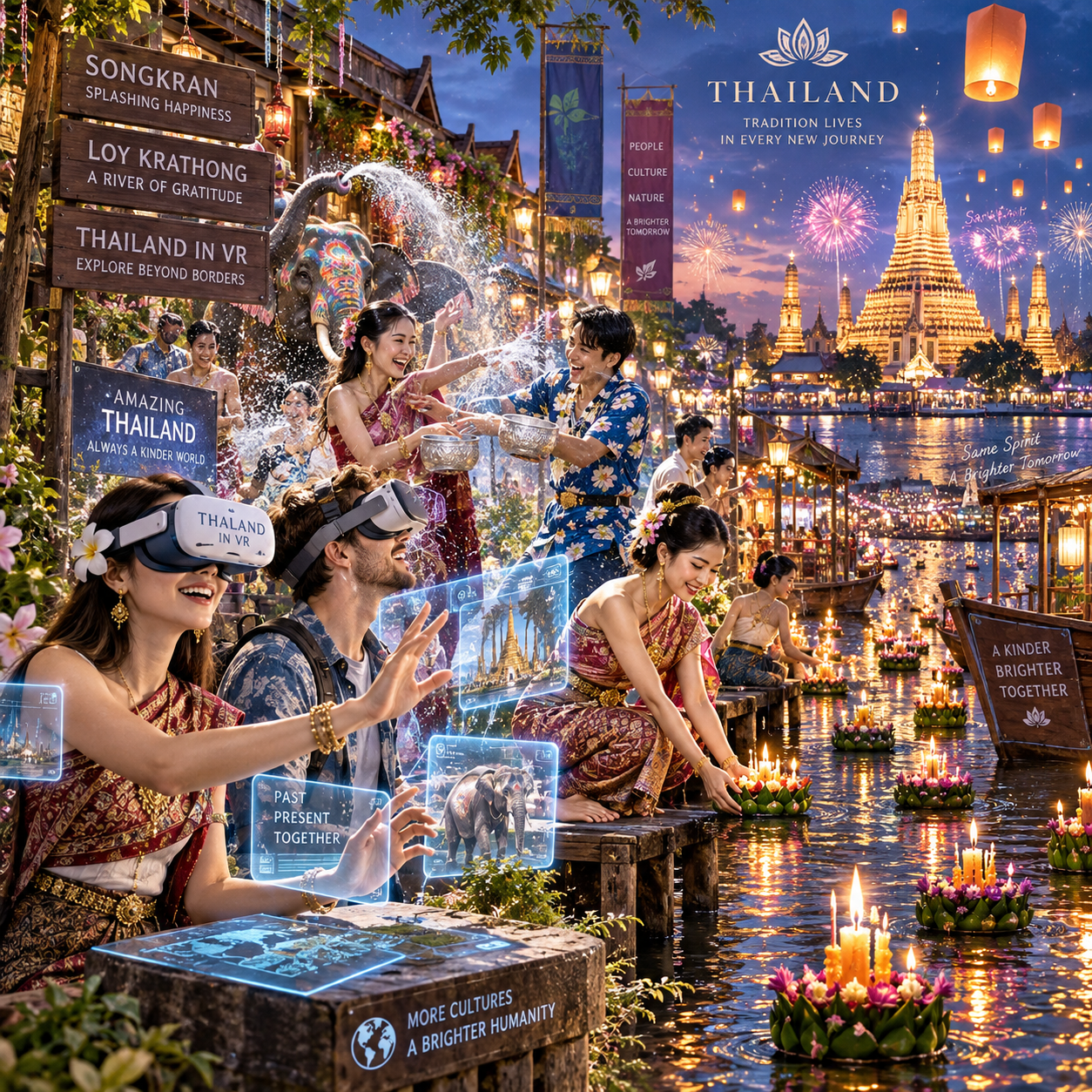
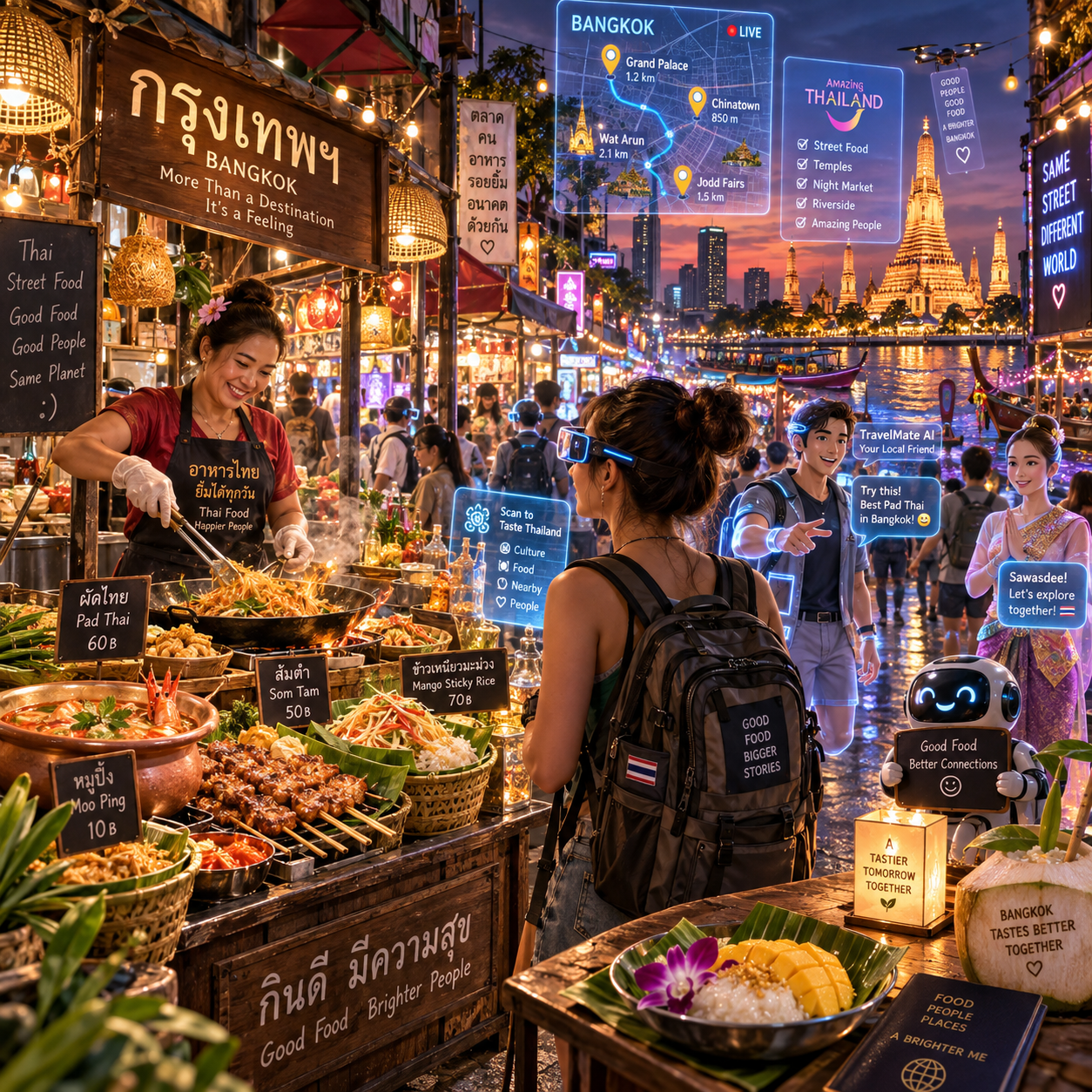
How Thai Hospitality Is Adapting to the Metaverse Era
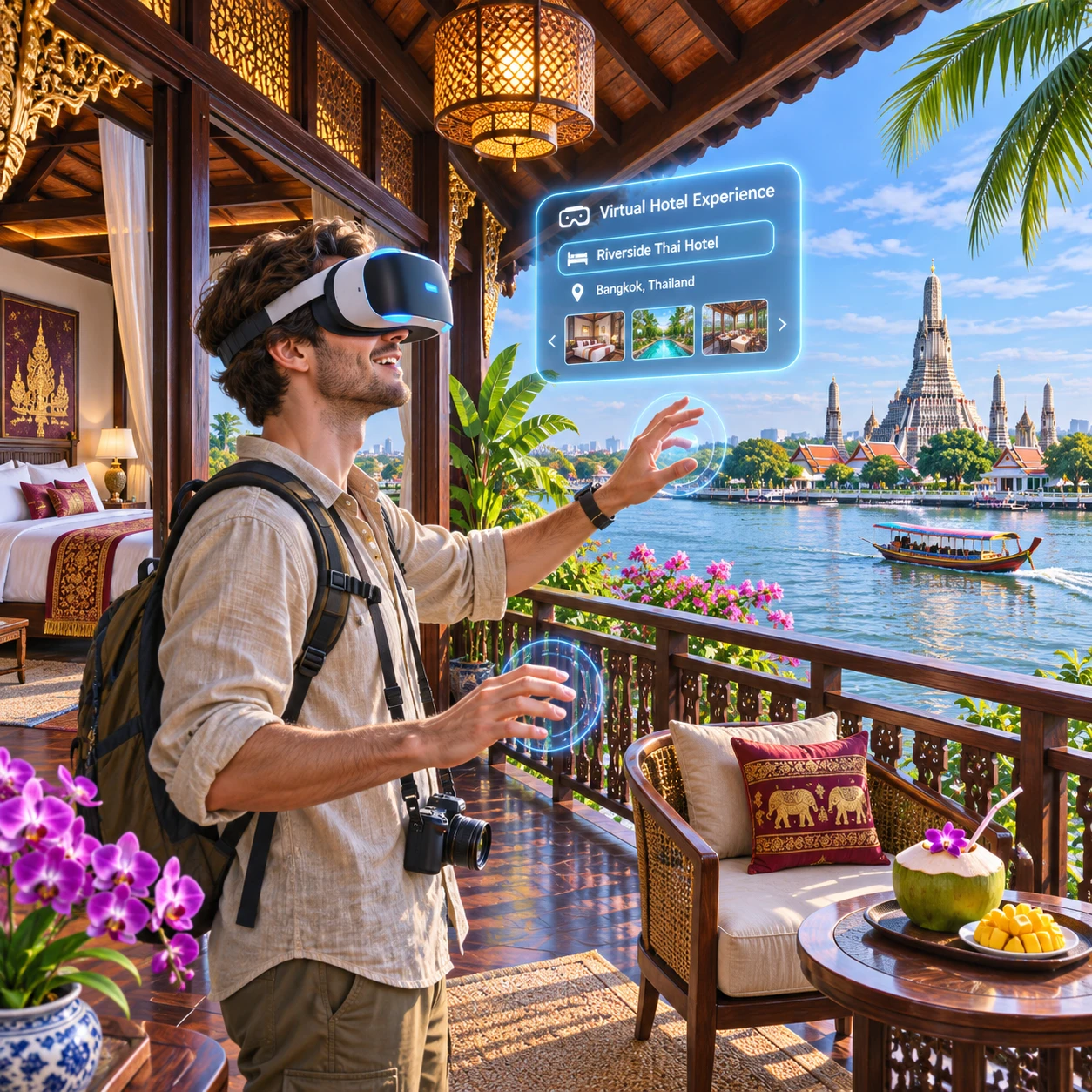
Thailand is known for experiences that unfold in person: a welcome at a hotel, a meal shared at a market, or the quiet details of a historic site. Digital tools cannot reproduce the warmth, flavor, or atmosphere of being there. They can, however, help travelers imagine a trip, explore options, and connect with a destination before and after their stay.
For Thai hospitality, the metaverse is best understood as an emerging set of tools rather than a single destination. Virtual reality (VR), augmented reality (AR), interactive 3D spaces, and digital identity may give hotels, resorts, and tourism providers new ways to tell stories and serve guests. Adoption will vary, and the most useful experiences will be designed around real traveler needs.
What the Metaverse Could Mean for Thai Hospitality
The metaverse could give Thai hospitality businesses interactive digital spaces where travelers explore destinations, services, and stories. These experiences may use VR, AR, 3D environments, and avatars at different points in the visitor journey.
In practice, there is no single definition or required platform. A hotel’s virtual tour, an AR guide on a phone, and a shared digital destination can all be described as metaverse-related experiences, even though they do different jobs. The key question is whether the technology helps someone understand, choose, or enjoy a trip.
That value can appear across the visitor journey:
- Inspiration: Explore a digital destination and discover places to visit.
- Travel planning: Compare rooms, facilities, routes, and activities before booking.
- On-site discovery: Use AR to find amenities or learn about a landmark while visiting.
- After the trip: Revisit a digital space, share memories, or find ideas for a return visit.
Some experiences may use digital identity and avatars, but neither is necessary for every traveler. A mobile-friendly 360-degree tour may be more useful than a complex virtual world. For businesses, a practical test is simple: does the experience answer a guest question or make a meaningful connection? If not, the technology risks becoming a costly novelty.
Virtual Ways to Experience Thailand
Virtual experiences can offer travelers a preview of Thai destinations, hotels, cultural sites, and activities before they decide where to go. They help set expectations, though a digital preview cannot convey the full feeling of being there.
A hotel or resort could build an interactive walkthrough that lets prospective guests inspect a room, see the pool’s location, or understand how far the restaurant is from the lobby. This can be especially helpful for people comparing properties or planning around accessibility needs. A destination experience might connect a beach stay with a nearby market, nature trail, or cultural attraction, helping visitors picture a fuller itinerary.
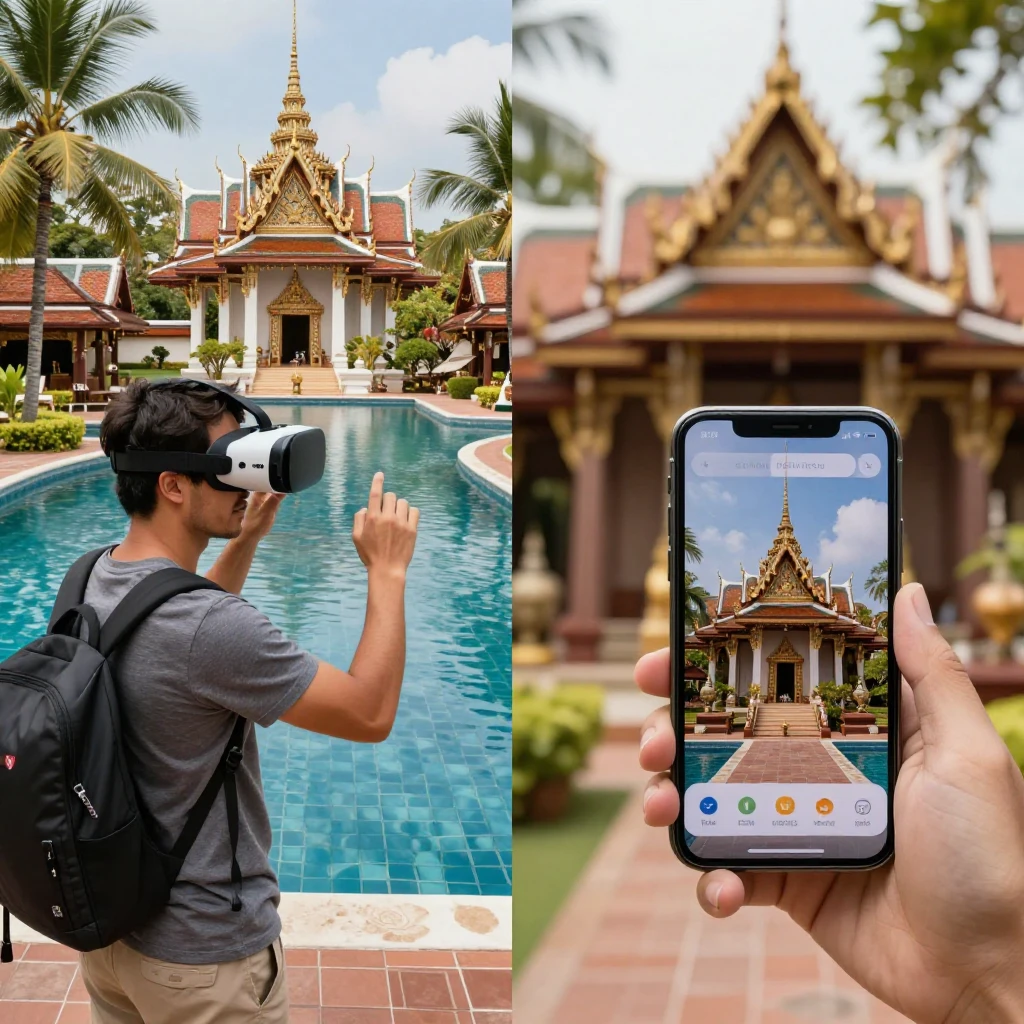
VR can make these previews feel spatial and immersive. AR can add digital information to a real-world view, such as a map overlay or translated description on a visitor’s phone. Neither needs to turn Thailand into a fantasy landscape. Clear labels and accurate images help travelers distinguish a current service from a concept or an artist’s rendering.
Digital destinations could also introduce people to places they have not yet considered. A guided experience might show how a historic site, local food tour, and hotel fit into a day. That gives travelers a sense of context rather than a collection of disconnected promotional images. It also helps tourism providers explain practical details, including travel times, opening conditions, and what visitors should expect on arrival.
How Hotels and Tourism Providers Can Use These Tools
Hotels and tourism providers can use metaverse tools for marketing, service discovery, guest engagement, and immersive storytelling. The strongest starting point is usually a specific guest need, such as choosing a room or finding an activity.
For marketing, an interactive hotel tour can show the layout and atmosphere more clearly than a gallery of isolated photos. A traveler might move from the entrance to a room, restaurant, and meeting area, then compare options without navigating a complicated interface. This is useful only when the digital representation matches the real property; misleading visuals can undermine trust at check-in.
Providers can also make service discovery easier. A digital guest guide might let a visitor explore dining options, wellness services, excursions, or transport arrangements before arrival. On site, a phone-based AR layer could point toward facilities or provide concise information about a place. Where connectivity is unreliable, the experience should offer a simple fallback, such as a printable map or offline content.
To choose a sensible first project, hospitality teams can use a three-part filter:
- Guest value: What question or friction does this tool address?
- Operational fit: Who will update the content, and how often?
- Access: Can guests use it on common devices, without special equipment?
A small, well-maintained virtual tour may serve more people than an elaborate world that requires a headset. That trade-off matters for smaller hotels and local operators working with limited budgets. Start with a pilot, gather guest feedback, and expand only if the experience proves useful.
Bringing Thai Culture Into Digital Experiences
Thai cultural heritage can be represented in digital experiences through accurate storytelling, local participation, and clear context. Cultural details should be treated as living traditions and meaningful places, not decorative scenery.
A digital heritage experience might explain the history of a building, the significance of a festival, or the origins of a local craft. It should distinguish fact from interpretation and avoid presenting sacred or sensitive material as entertainment. For cultural sites, creators should consult people with relevant knowledge, including local communities, guides, cultural organizations, and site managers.
That collaboration improves both accuracy and the visitor experience. A local guide could shape the language of an audio or avatar-led tour, while a craft practitioner could explain materials and techniques in their own terms. Tourism businesses should also consider permissions, attribution, and how contributors benefit when their knowledge or work appears in a commercial digital space.
Design choices matter. Avatars and virtual settings can make an experience more participatory, but they should not replace local voices with generic scripts. Give travelers context, identify contributors where appropriate, and invite them to learn more in person. The aim is to create a respectful introduction to Thai culture, not a digital substitute for it.
Opportunities and Practical Challenges
Metaverse tools offer Thai hospitality new ways to inform and engage travelers, but they also bring costs and responsibilities. Accessibility, upkeep, privacy, and cultural care all shape whether a digital experience is worth building.
VR can make a place feel vivid, but a headset is not available or comfortable for everyone. Some travelers prefer a browser-based tour or a simple phone experience. Businesses should offer options that work across devices and consider captions, readable text, language choices, and controls that do not rely on precise movements.
There is also the cost of creating and maintaining digital content. A detailed 3D environment takes more work than a basic virtual tour, and rooms or services can change after launch. A realistic budget includes updates, staff training, testing, and support, not just initial production. Smaller providers may get more value from shared destination content or a focused pilot than from building a standalone platform.
Privacy deserves attention whenever an experience collects account details, location data, or information linked to digital identity and avatars. Explain what data is collected, why it is needed, and how long it is kept. Avoid asking users to create accounts when a simple, anonymous experience will do.
Common missteps include promising features that do not exist on site, copying cultural content without consultation, and building a technically impressive experience with no clear guest purpose. Each can damage trust or waste resources. Accurate information, local input, and a straightforward way to measure guest feedback make a better foundation.
The Metaverse as a Companion to Real Travel
The metaverse can complement real travel to Thailand by helping people imagine a trip, make informed choices, and navigate experiences. It cannot replace the sensory and human dimensions of visiting in person.
Think of digital touchpoints as a bridge between planning and travel. Before a visit, a traveler can preview a room, explore a neighborhood, or learn what to expect at a cultural site. During the trip, AR or a digital guide may help with wayfinding and context. Afterward, a shared virtual space can preserve a connection to places and experiences that mattered.
That bridge works best when it leads somewhere real. A virtual tour can introduce a destination, while clear booking details and practical travel information help turn interest into a visit. Once travelers arrive, local hospitality and community-led experiences provide the depth no digital model can recreate.
For Thai hotels, resorts, and tourism providers, the most promising approach is measured: begin with a real guest need, represent Thailand accurately, and make the experience easy to access. The technology may change quickly. Trust, cultural respect, and thoughtful hospitality remain the foundation.