

The Rise of Virtual Thai Food Tours: A Gastronomic Journey Through the Metaverse
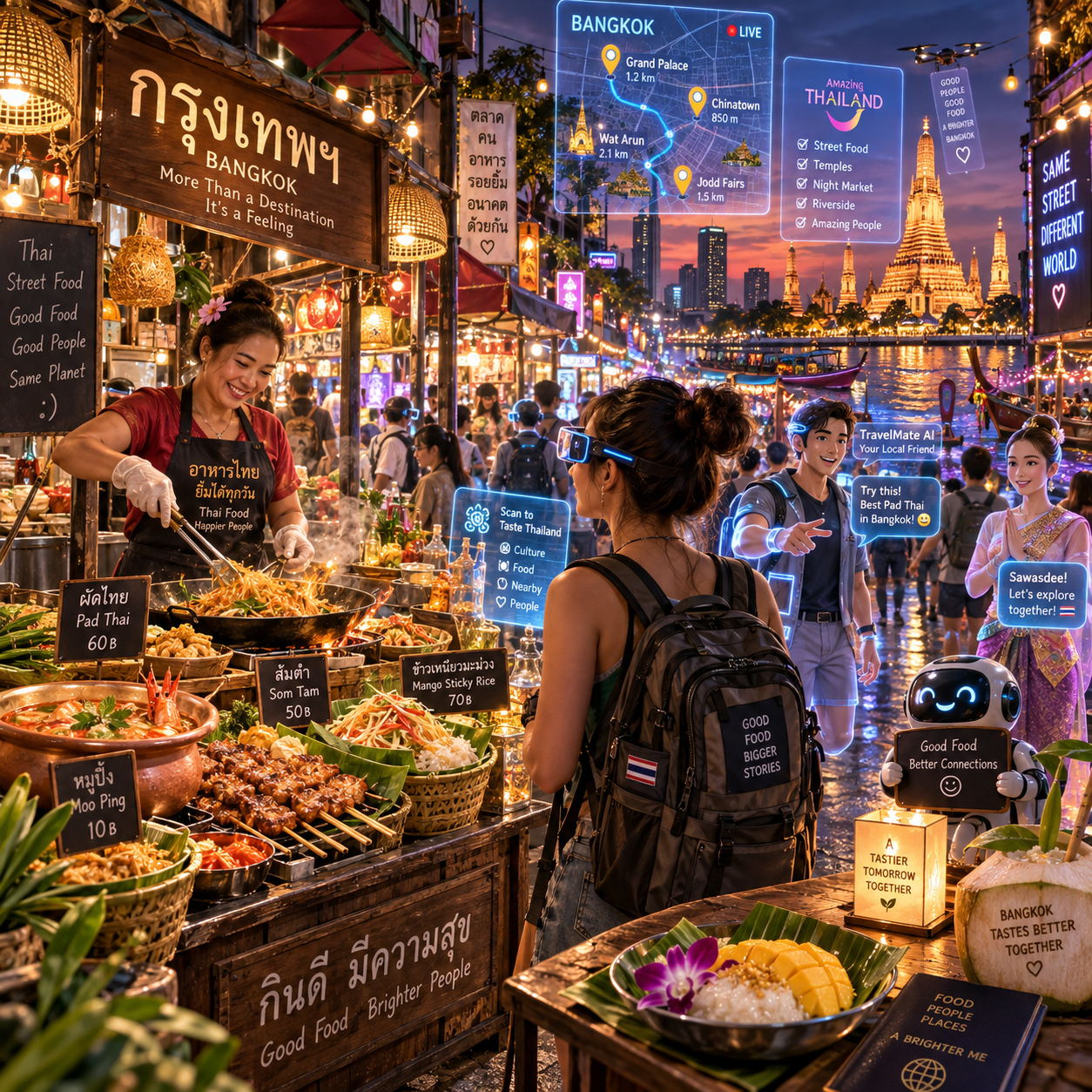
Thai food is often experienced through movement: a walk through a crowded market, the aroma of grilled skewers, the sound of a wok, and a shared table filled with contrasting flavors. Virtual Thai food tours are bringing parts of that experience into the home, combining digital travel, culinary education, and metaverse tourism.
These experiences cannot reproduce every sensation of being in Thailand. They can, however, offer a meaningful introduction to Thai food culture, connect participants with guides and cooks, and help future travelers decide where to go and what to taste.
What Are Virtual Thai Food Tours?
Virtual Thai food tours are guided digital experiences that use video, 360-degree environments, virtual reality, augmented reality, or interactive platforms to explore Thai cuisine and destinations online. Participants may visit a simulated market, watch a cooking demonstration, speak with a guide, or prepare selected dishes at home.
Unlike a standard cooking video, a virtual tour focuses on place and participation. The setting might be a Bangkok street food lane, a floating market, a northern Thai kitchen, or a digital recreation of a neighborhood food district. Viewers can move through the experience using a computer, smartphone, tablet, or VR headset, depending on the format.
Some tours are live and conversational. Others are pre-recorded, game-like, or built around interactive maps and digital avatars. The common thread is a shift from passively watching food content to taking part in a structured journey.
This makes virtual Thai food tours a natural part of metaverse tourism, a developing field that uses persistent or immersive digital environments to help people experience destinations without being physically present. The technology varies widely, so participants should check whether a tour offers live interaction, 360-degree exploration, downloadable materials, or only conventional video.
Why Thai Cuisine Is Ideal for Virtual Exploration
Thai cuisine is well suited to virtual exploration because it combines strong visual identity, regional diversity, layered flavors, and highly social food traditions. A digital tour can connect ingredients and dishes to the markets, communities, and landscapes where they belong.
Thai cooking is often described through a balance of sweet, sour, salty, spicy, and bitter notes, but that formula alone does not explain its cultural depth. A virtual guide can show how fresh herbs, curry pastes, rice, seafood, coconut, fermented ingredients, and seasonal produce appear in different regional cuisines.
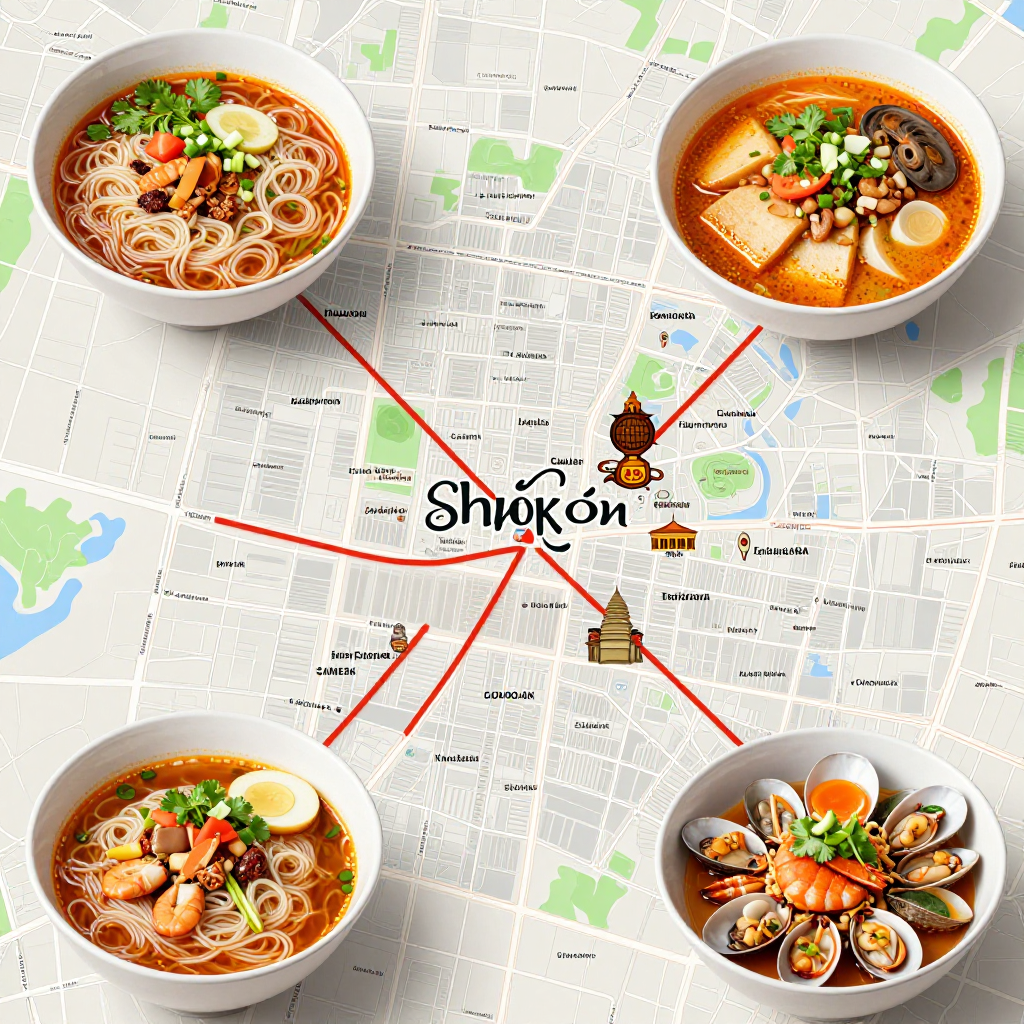
A digital food trail might begin in Bangkok with pad Thai, grilled pork skewers, boat noodles, or mango sticky rice. It could then move north toward dishes such as khao soi, travel northeast for the bold flavors of Isan cuisine, or explore southern preparations shaped by seafood, turmeric, and local spice traditions.
Street food also translates effectively into digital storytelling. Close-up footage can reveal how a vendor folds a banana-leaf parcel, manages a charcoal grill, or builds a bowl of noodles in seconds. Spatial audio and panoramic video can add the movement of a market, although they cannot reproduce the full aroma, heat, or bustle of the physical setting.
Context matters. Strong virtual tours explain who prepares the food, when it is eaten, how ingredients are sourced, and why a dish matters locally. That approach avoids reducing Thai cuisine to a list of exotic flavors and gives participants a more respectful understanding of Thai food culture.
How the Metaverse Brings Thai Food Culture to Life
The metaverse brings Thai food culture to life by combining immersive environments, interactive guides, digital objects, and real-world tasting activities. These tools can make a food story feel spatial and participatory, although their quality depends on the platform, equipment, and cultural design.
Virtual reality and interactive environments
With virtual reality (VR), participants may enter a simulated Bangkok market, look around a food stall, follow a guide, or inspect ingredients from different angles. A headset can create a stronger sense of presence than a flat video, but it also requires compatible equipment and may cause discomfort for some users.
Computer-based 3D tours offer a more accessible alternative. Participants can move an avatar through a virtual neighborhood, select stalls, open information panels, and hear short explanations about dishes or cooking techniques.
Augmented reality and guided tasting
Augmented reality (AR) can add digital information to a physical meal. A phone camera might identify herbs, display a map of a dish's regional origins, or animate instructions while a participant cooks. AR is especially useful when the experience includes a tasting kit or ingredients purchased locally.
Guided tastings create a bridge between screen and table. A host can ask participants to compare lime, fish sauce, chili, basil, or coconut milk, then explain how balance changes across recipes. This approach gives the tour a sensory anchor without claiming that technology can recreate every part of Thai dining.
Avatars, demonstrations, and digital marketplaces
Avatars allow groups to meet in a shared space, while live demonstrations provide opportunities to ask questions. A digital marketplace might display ingredients, recipes, cultural notes, and links to legitimate food producers. Ethical design is essential: commercial features should support food education rather than turn cultural heritage into a decorative backdrop.
What to Expect During a Virtual Thai Food Tour
A typical virtual Thai food tour begins with a destination choice, continues through interactive food scenes and cultural explanations, and ends with a tasting, recipe activity, or discussion. The exact format depends on whether the experience is live, recorded, VR-based, or browser-based.
- Select a route: Choose a Bangkok street food walk, a regional cuisine trail, a market visit, or a cooking-focused session.
- Enter the setting: Use a browser, mobile device, or VR headset to explore the digital environment and learn how the destination is organized.
- Meet the guide: A host, chef, cultural educator, or local storyteller introduces ingredients, vendors, food customs, and neighborhood history.
- Observe and participate: Watch a demonstration, choose virtual dishes, ask questions, identify ingredients, or complete a recipe activity.
- Taste at home: Sample Thai food from a local restaurant, prepare a simple dish, or follow a guided tasting with ingredients available in your area.
Preparation affects the experience. A participant may need a stable internet connection, headphones, a clean workspace, and ingredients purchased in advance. If the tour includes cooking, read the equipment list carefully; a demonstration designed for a professional kitchen may need adaptation at home.
The most effective tours create a clear relationship between digital actions and physical sensations. For example, a virtual guide might show a Bangkok noodle stall, explain the role of broth and condiments, then invite participants to compare two noodle soups at home.
The Benefits of Digital Culinary Travel
Digital culinary travel makes Thai food culture more accessible by reducing distance, cost, mobility, and scheduling barriers. It also helps people preview a destination before committing to international travel.
Accessibility is one of the strongest advantages. People who cannot fly because of health, finances, caregiving responsibilities, visa restrictions, or mobility limitations can still join a structured food experience. Captions, transcripts, adjustable audio, screen navigation, and seated participation can make a tour more inclusive, although providers need to build these features deliberately.
Virtual tours also support low-commitment discovery. Someone unfamiliar with Thai cuisine can learn the difference between central, northern, northeastern, and southern food traditions before ordering in a restaurant or planning an itinerary. Teachers, museums, travel clubs, and hospitality programs can use the format to introduce food geography and cultural etiquette.
For future travelers, a virtual tour works as a planning tool. It can reveal which markets interest you, whether spicy food suits your preferences, and how much time to reserve for food-focused neighborhoods. After a physical trip, the same format may help preserve memories and provide context for dishes encountered on the ground.
There are environmental advantages too. A shared online experience avoids the emissions of a flight for an introductory encounter. That does not make every digital product automatically sustainable, since streaming and hardware use energy, but virtual access can reduce unnecessary exploratory travel.
Challenges and the Future of Virtual Thai Food Tourism
The main challenge for virtual Thai food tourism is sensory and cultural fidelity: digital tools can show and explain food, but they cannot fully reproduce aroma, texture, temperature, hospitality, or the unpredictability of a real market.
Technology access creates another divide. VR headsets, fast internet, capable devices, and comfortable digital spaces are not available to everyone. Browser-based tours improve reach, but they may provide less immersion. Choosing accessibility usually means accepting fewer advanced visual effects.
Representation also requires care. A poorly designed experience may treat Bangkok as a generic backdrop, present one dish as representative of all Thai cuisine, or use outdated stereotypes about vendors and communities. Local voices, accurate regional context, fair compensation, and clear consent should guide the production process.
Interactivity has limits as well. A virtual market may let participants select a stall, but it cannot reproduce the social negotiation, traffic, smells, weather, and chance encounters of a physical visit. Virtual food tourism works best when it sets realistic expectations rather than promising a complete substitute.
Future experiences may combine live local hosts, spatial audio, accessible VR, AR recipe overlays, connected tasting kits, and digital maps that continue after the tour ends. These developments could make digital travel more personal while directing interest toward real Thai restaurants, markets, cooks, and destinations.
The useful framework is simple: preview, participate, preserve. Preview Thailand through a digital route, participate through conversation and tasting, then use what you learn to support respectful physical travel or ongoing cultural education.
Frequently Asked Questions About Virtual Thai Food Tours
What is a virtual Thai food tour?
A virtual Thai food tour is an online experience that explores Thai dishes, markets, cooking traditions, and destinations through video, VR, AR, interactive maps, live guides, or digital environments.
Do I need a VR headset to join one?
No. Many virtual Thai food tours work through a web browser, smartphone, tablet, or computer. A VR headset may provide greater immersion, but it is not required for every format.
Can I taste Thai food during a virtual tour?
Often, yes. Some tours include guided tastings, cooking activities, or ingredient lists. Participants may buy food locally or prepare a dish at home, but the tour usually does not reproduce the complete sensory experience of eating in Thailand.
How does a virtual food tour support real-world travel?
It can help travelers choose destinations, understand regional cuisines, learn dining customs, and create a more focused itinerary. It is best viewed as preparation or enrichment rather than a replacement for visiting Thailand.
What Thai destinations can be explored digitally?
Possible destinations include Bangkok street food districts, floating markets, northern culinary regions, Isan food trails, southern seafood communities, and digitally recreated kitchens or cultural venues. Availability depends on the tour provider and platform.
Virtual Thai food tours are still developing, but their appeal is clear. They connect technology with taste, place, and cultural learning, giving more people a way to begin a gastronomic journey through Thailand before they ever board a plane.