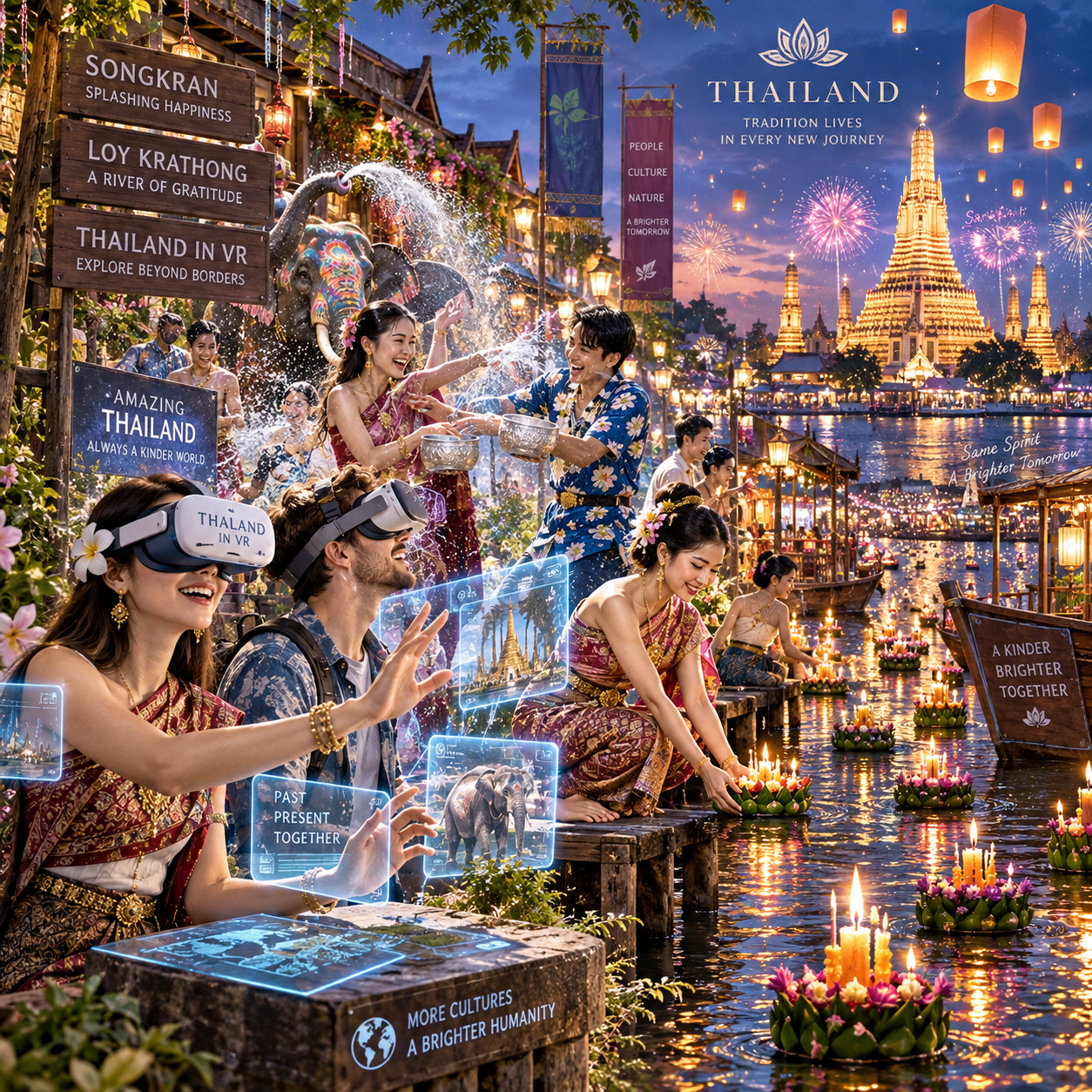
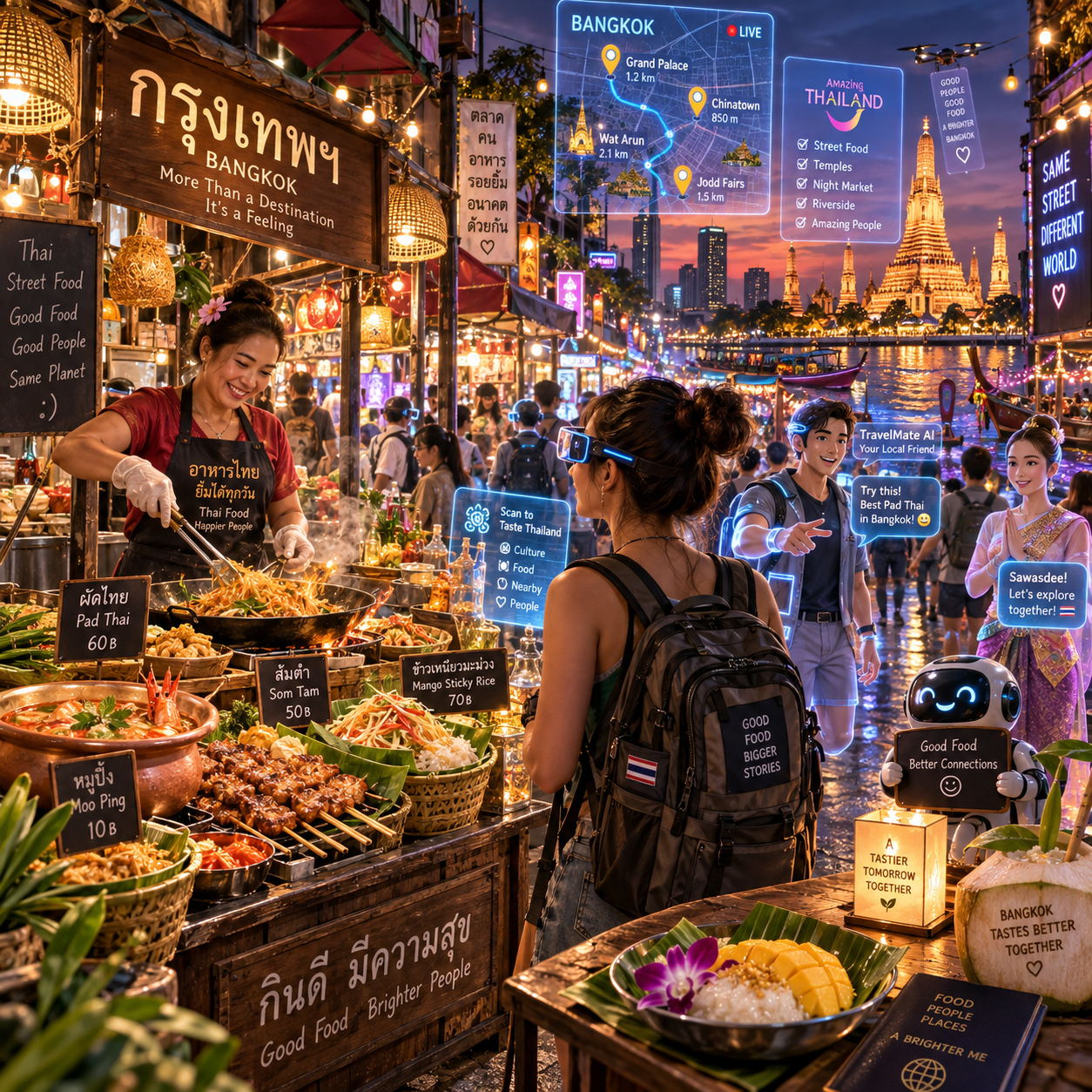
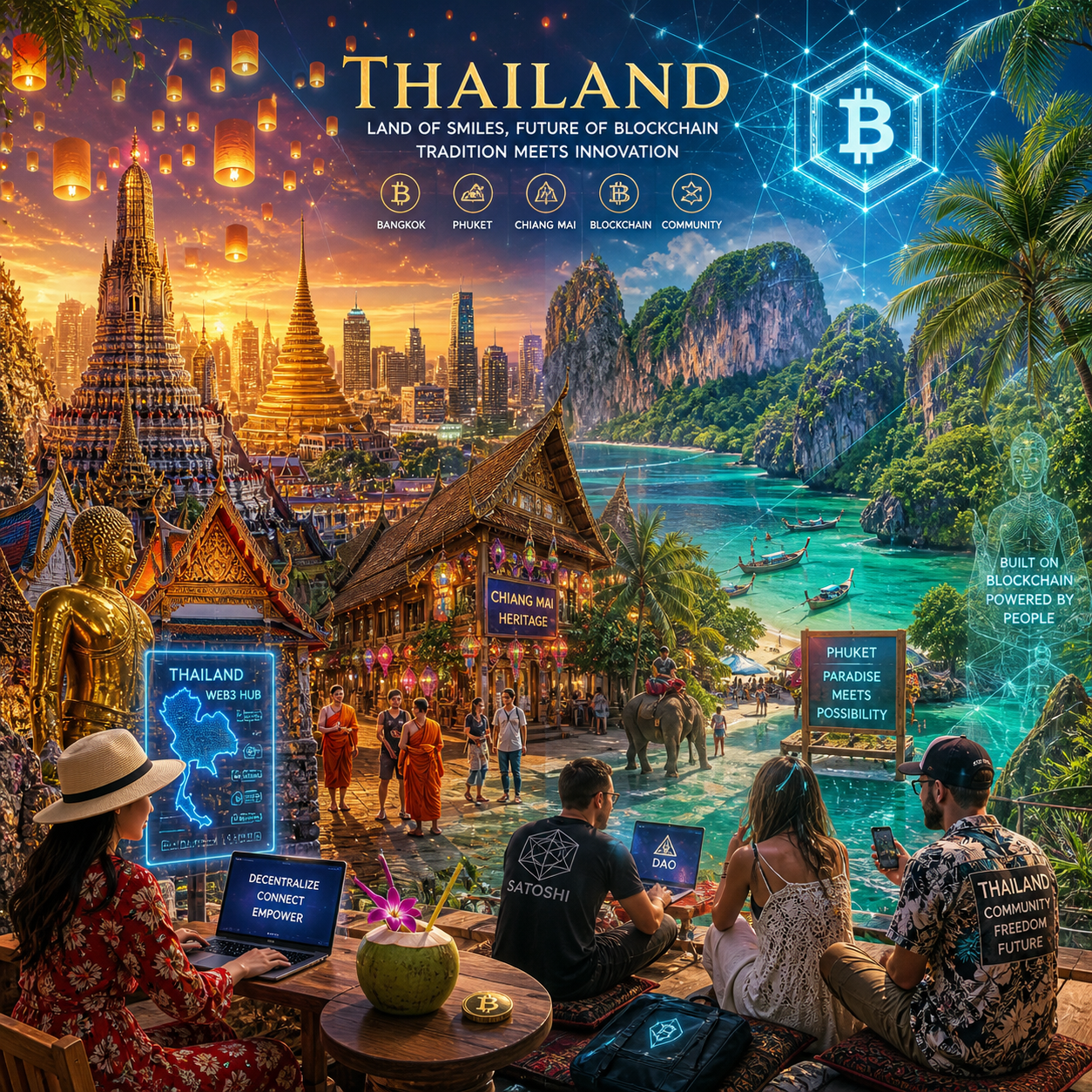
Top 10 Must-Visit Virtual Thai Landmarks in the Metaverse
What Is the Thai Metaverse and Why It Matters for Tourism
The Thai Metaverse is a growing ecosystem of immersive, digitally rendered environments that recreate Thailand's most beloved cultural and natural sites for global audiences. It matters because it removes every barrier that once stood between a curious traveler and the experience of Thai culture — no visa, no flight, no budget constraint.
Thailand has been deliberate about its digital ambitions. The Tourism Authority of Thailand (TAT) has actively explored virtual reality and metaverse platforms as extensions of the country's tourism brand, recognizing that a traveler who falls in love with a digital version of the Grand Palace Bangkok is far more likely to book a real trip. Digital tourism, in this sense, is not a replacement — it's a remarkably effective marketing channel.
The broader concept of Digital Tourism Thailand sits at the intersection of cultural preservation and technological innovation. Ancient temples, island coastlines, and historic city walls are being translated into interactive 3D environments where visitors navigate via avatar, explore at their own pace, and engage with cultural context that even a rushed guided tour might skip.
How to Access and Navigate Virtual Thai Experiences
Accessing virtual Thai landmarks is more straightforward than most people expect — a VR headset is helpful but not required. Many immersive experiences are available through standard web browsers, mobile apps, or desktop platforms using 360-degree video and interactive 3D environments.
For richer experiences, platforms like the TAT's official digital channels and partner metaverse platforms offer guided avatar-based exploration. Here's a practical starting framework:
- Browser-based entry: Search for "virtual Thailand tour" on platforms like Google Arts & Culture or dedicated Thai tourism portals. No hardware required.
- Mobile VR: A basic smartphone cardboard headset unlocks a more spatial feel for 360-degree recreations of sites like Ayutthaya Historical Park.
- Full VR headsets: Devices like Meta Quest offer the deepest immersion for metaverse-native Thai environments where your avatar can walk temple corridors in real-time.
- Social metaverse platforms: Spaces like Decentraland and Spatial have hosted Thai cultural events and landmark recreations accessible with a free account.
The key is to start with what you have. Most of these experiences are designed to be accessible, not exclusive.
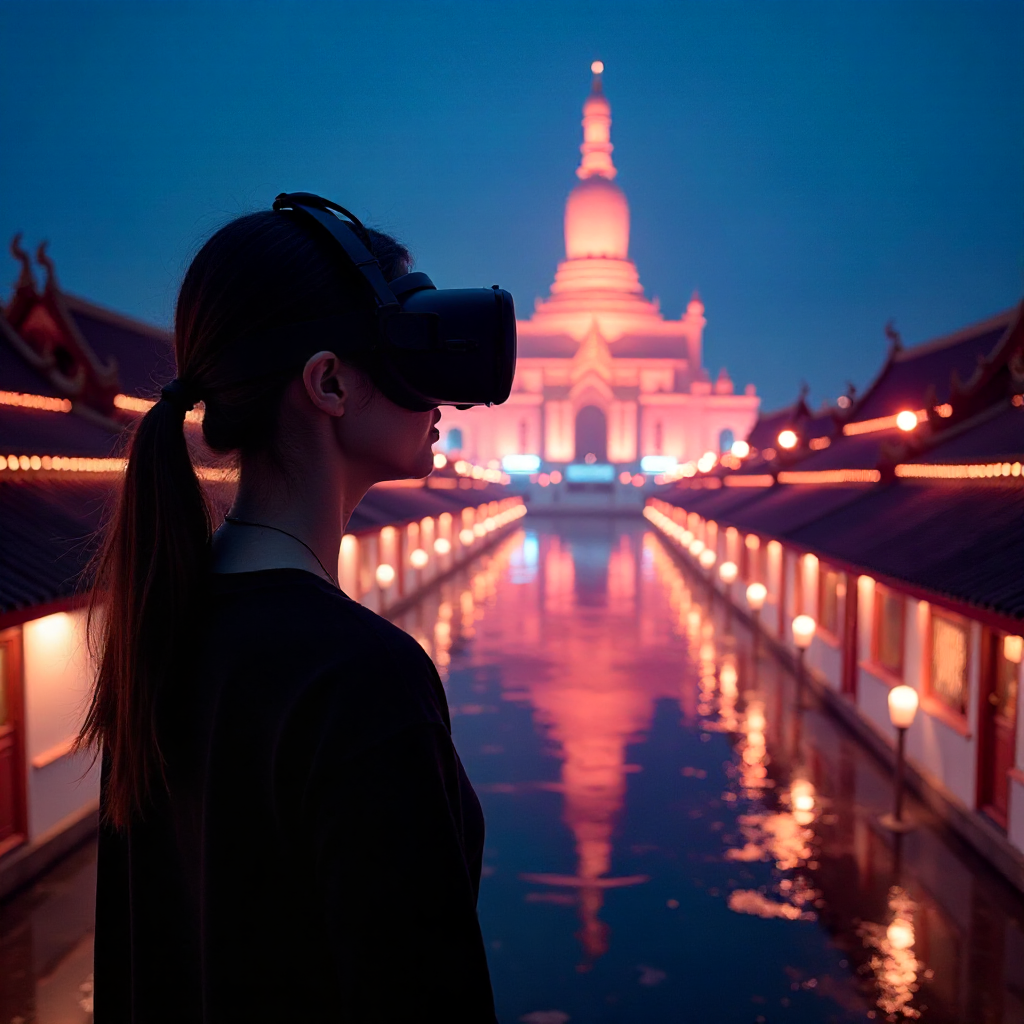
Top 10 Virtual Thai Landmarks You Can Explore Right Now
These ten virtual Thai landmarks represent the strongest combination of cultural significance and digital recreation quality currently available across metaverse and immersive platforms.
1. Wat Phra Kaew (Temple of the Emerald Buddha)
The crown jewel of Thai religious architecture, Wat Phra Kaew has been digitally rendered in extraordinary detail. Virtual visitors can study the intricate mosaic-covered chedis and approach the Emerald Buddha's altar in ways that the physical site's crowd management rarely permits.
2. Grand Palace Bangkok
The Grand Palace complex spans nearly a kilometer of ornate royal architecture. Its virtual recreation allows exploration of throne halls and ceremonial courtyards that remain off-limits in person, making the digital version genuinely more revealing than the physical tour for many visitors.
3. Chiang Mai Old City
Chiang Mai's walled city translates beautifully into virtual format. Wander past Wat Chedi Luang's ancient ruins, explore the moat-lined perimeter, and get a feel for the northern kingdom's distinct architectural identity — quieter and more meditative than Bangkok's grandeur.
4. Ayutthaya Historical Park
Few sites carry the weight of Ayutthaya. Once one of the world's largest cities, its haunting ruins — headless Buddhas, crumbling prangs — are now accessible as an immersive digital walk. The virtual version adds reconstructed overlays showing what the city looked like at its 17th-century peak.
5. Maya Bay / Phi Phi Islands
Maya Bay famously closed to tourists in 2018 to allow ecological recovery. Its virtual recreation gives travelers the iconic turquoise lagoon experience without contributing to the fragile marine ecosystem — arguably the most ethically compelling case for digital tourism on this list.
6. Sukhothai Historical Park
Thailand's first capital offers a serene virtual landscape of lotus-filled ponds and seated Buddha statues. The digital recreation captures the park's early-morning light in ways that feel almost meditative.
7. Doi Inthanon National Park
Thailand's highest peak and its surrounding cloud forests are rendered in immersive 360-degree video. The twin royal chedis at the summit are a particular highlight — vivid against the highland mist.
8. Floating Markets of the Central Plains
The Damnoen Saduak floating market comes alive in virtual format with ambient sound design — wooden boats, vendor calls, the smell of pad thai almost implied by the visual richness. It's a sensory recreation that works surprisingly well.
9. Erawan Falls, Kanchanaburi
Seven-tiered emerald pools in a jungle canyon. The virtual recreation uses drone footage stitched into an explorable environment, letting visitors hover above the falls or descend to pool level — perspectives impossible in person.
10. Wat Arun (Temple of Dawn)
Wat Arun's porcelain-studded spire along the Chao Phraya River is one of Bangkok's most recognizable silhouettes. In the metaverse, you can circle the prang at any hour — the golden-hour lighting, permanently available, is worth the visit alone.
Cultural Immersion: What Virtual Landmarks Capture (and What They Don't)
Virtual Thai landmarks excel at visual grandeur and spatial understanding — and fall short of the full sensory and social experience of being physically present. That's an honest assessment worth making clearly.
What digital recreation does well:
- Architectural detail and scale — you can study a temple's roof finials or a palace wall's mosaic work at your own pace
- Historical context — many virtual experiences layer in information panels, audio guides, and reconstructed historical states
- Accessibility — mobility-limited travelers can experience sites that would be physically challenging
- Repeatability — you can return to Ayutthaya at dawn every morning if you choose
What it cannot replicate:
- The smell of incense at Wat Phra Kaew, or the heat radiating from Ayutthaya's stone at midday
- Spontaneous human encounters — the monk who stops to explain a mural, the vendor who insists you try something new
- The physical act of removing shoes at a temple threshold, which carries its own cultural meaning
The gap is real. But framing virtual experiences as inferior misses the point. They serve a different function — orientation, inspiration, and access — and they do that function well.
How Virtual Visits Can Inspire Real-World Travel to Thailand
Virtual Thai experiences consistently convert into real travel intent — and the mechanism is straightforward. When someone spends 20 minutes wandering the Grand Palace's courtyard via avatar, they leave with a mental map, a list of questions, and a specific emotional connection to a place they haven't physically visited yet.
That emotional connection is the engine. Research from digital tourism studies suggests that immersive pre-visit experiences increase destination confidence — travelers who've "seen" a place virtually report feeling less anxious about navigating unfamiliar destinations and more excited about specific sites rather than just the country in general.
Practically, virtual visits help travelers:
- Prioritize which physical sites matter most to them personally
- Understand the cultural context before arrival, leading to more respectful and enriching visits
- Identify logistics — temple dress codes, opening hours, crowd patterns — that make the real trip smoother
The TAT has leaned into this dynamic deliberately, using metaverse activations at international travel expos to plant the seed of Thailand in the minds of travelers who hadn't yet considered it as a destination.

The Future of Thailand's Digital Tourism Landscape
Thailand is positioning itself as one of Southeast Asia's leading innovators in metaverse tourism — and the infrastructure being built now will define what digital travel looks like across the region for the next decade.
Several developments are already underway. The TAT has partnered with technology firms to develop AI-guided avatar experiences that can answer cultural questions in real-time, functioning as digital docents rather than static tours. Blockchain-based cultural NFTs tied to specific landmarks — where "visiting" Ayutthaya unlocks a verifiable digital artifact — are being piloted as engagement tools.
There's also a preservation dimension that deserves attention. Sites like Maya Bay and fragile sections of Ayutthaya face real erosion from physical tourism. High-fidelity digital twins of these locations serve as both tourist experiences and permanent archival records — a form of cultural insurance against the effects of climate change and visitor wear.
The trajectory is clear: virtual Thai landmarks will become richer, more interactive, and more socially connected over the next five years. Early adopters who explore these spaces now are participating in the early chapters of something genuinely new in how humanity relates to cultural heritage.
Frequently Asked Questions
Do I need a VR headset to visit virtual Thai landmarks in the metaverse?
No. Most virtual Thai experiences are accessible via standard web browsers, smartphones, or desktop computers. VR headsets enhance immersion but are not required for the majority of available experiences.
Are virtual Thai metaverse experiences free to access?
Many are free, particularly those hosted on platforms like Google Arts & Culture or through TAT's official tourism portals. Some premium metaverse environments may require platform accounts or small fees, but the barrier to entry is generally low.
Which Thai landmark has the most immersive virtual recreation?
Wat Phra Kaew and the Grand Palace consistently receive the highest marks for detail and interactivity, given the volume of documentation available for their digital recreation. Ayutthaya's reconstructed historical overlays are also particularly compelling.
Is the Thai government officially involved in metaverse tourism?
Yes. The Tourism Authority of Thailand (TAT) has been an active institutional stakeholder in digital tourism initiatives, including metaverse activations at international travel events and partnerships with technology platforms to develop immersive Thai cultural experiences.
Can virtual metaverse visits count toward cultural education or travel planning?
Absolutely. Many educators use virtual cultural sites as classroom resources, and travel planners increasingly recommend virtual pre-visits to help travelers set priorities and build cultural context before arriving in Thailand. The informational depth of well-designed virtual landmarks rivals many physical guided tours.