The Future of Thai Tourism: Blending Physical and Virtual Experiences
Thailand's Tourism at a Crossroads
Thailand's tourism industry is undergoing one of its most significant transformations in decades. The convergence of post-pandemic recovery and rapid digital innovation has opened a new chapter — one where the question is no longer simply "how do we bring travelers back?" but "how do we reimagine what travel itself means?"
Before 2020, Thailand welcomed nearly 40 million international visitors annually, making it one of Southeast Asia's most visited destinations. The disruption that followed accelerated something that was already quietly building: a global appetite for digital engagement with destinations. Travelers who couldn't board a plane began exploring Thailand through social media, virtual tours, and immersive content — and many found the experience compelling enough to fuel serious travel intent.
The Tourism Authority of Thailand (TAT) recognized this shift early. Rather than treating digital engagement as a stopgap, Thailand's tourism planners began exploring how virtual touchpoints could work alongside physical travel to create a richer, more continuous relationship between the destination and its global audience. That thinking is now driving a broader strategic pivot toward what the industry calls the hybrid travel model.
What Is the Metaverse and Why Does It Matter for Tourism?
The metaverse, in travel terms, refers to persistent, interactive digital environments where users can explore, socialize, and experience destinations without physically being there. For tourism, this translates into something immediately practical: virtual reality temple walks, digital cultural festivals, and online destination previews that feel genuinely immersive rather than just informational.
The concept of phygital experiences — blending physical and digital into a seamless whole — sits at the heart of this evolution. Think of it less as science fiction and more as an extension of what travelers already do: they research destinations online, follow travel creators, and engage with content long before and after their actual trip. The metaverse simply makes that engagement richer, more interactive, and more spatially convincing.
For Thailand specifically, the implications are significant. The Kingdom's extraordinary cultural depth — ancient temples, living traditions, diverse landscapes — provides near-ideal raw material for immersive digital storytelling. A culture this visually and narratively rich translates well into virtual formats, which is part of why Thailand is well-positioned to lead in metaverse tourism across Southeast Asia.
Virtual Gateways to Thailand — Experiencing the Kingdom Online
Engaging with Thailand virtually is already possible in more ways than most travelers realize. VR experiences allow users to walk through the ruins of Ayutthaya, attend a digital recreation of the Yi Peng lantern festival in Chiang Mai, or explore the limestone karst coastlines of Phuket — all from a living room.
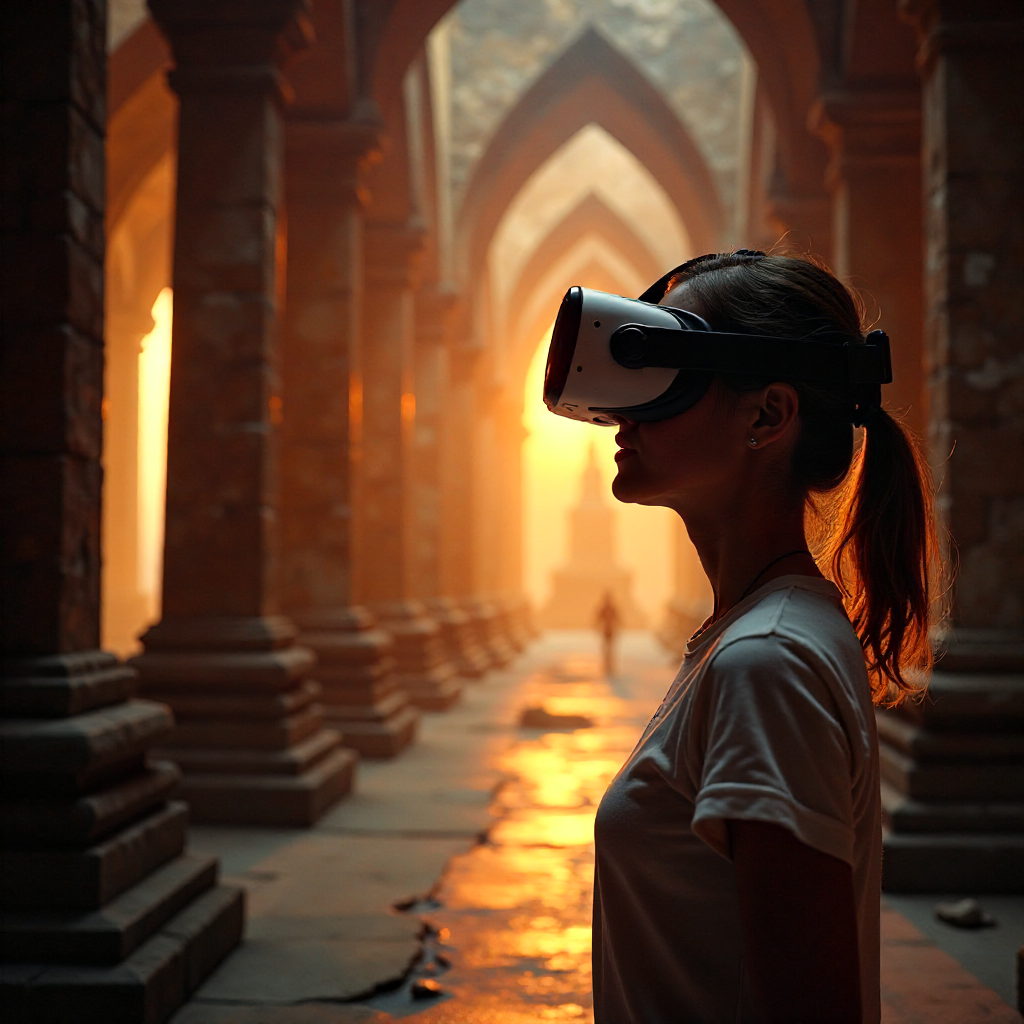
Digital twin destinations — precise virtual replicas of real-world locations — are emerging as a particularly powerful tool. These aren't just 360-degree videos. They're navigable, interactive environments where a user can "walk" through Wat Phra Kaew, examine architectural details up close, or learn about the history of a site through embedded storytelling layers. For heritage sites where physical access is limited, this kind of access is genuinely transformative.
Online cultural showcases are gaining traction too. Thai cooking demonstrations, muay thai masterclasses, and traditional craft workshops delivered through live-streamed or VR platforms let global audiences connect with Thai culture in participatory ways. These aren't passive viewing experiences — they create emotional investment in a destination that often converts into a booked flight.
How Physical Travel Is Being Enhanced by Immersive Technology
On-the-ground visitors to Thailand are already benefiting from immersive technology layered onto real-world experiences. Augmented reality guides at heritage sites can overlay historical reconstructions onto crumbling ruins, effectively letting travelers see Ayutthaya as it looked at the height of the Ayutthaya Kingdom — without needing a single placard or audio tour device.
Hotels and resorts are experimenting with AR-enhanced check-in experiences, personalized digital concierge services, and immersive in-room entertainment that deepens the cultural context of a stay. At cultural landmarks, QR-triggered content is becoming more sophisticated — moving from simple text descriptions to short cinematic experiences that bring a site's story to life.
The practical benefit for travelers is a richer understanding of what they're seeing. A visitor standing in front of a 700-year-old temple gains far more from the experience when technology fills in the historical and cultural gaps that a surface-level visit can't address. This is where immersive technology earns its place in physical travel — not by replacing the human experience of being somewhere, but by deepening it.
The Role of Digital Nomads and Tech-Savvy Travelers in This Shift
Digital nomads are accelerating Thailand's phygital tourism evolution faster than almost any other traveler segment. Cities like Chiang Mai and Bangkok already rank among the world's most popular bases for location-independent workers, and this community's expectations are reshaping what destinations need to offer.
For digital nomads, the line between living and traveling is already blurred. They engage with destinations digitally before arriving, maintain digital community ties while on the ground, and often share immersive content that functions as organic destination marketing. Their appetite for tech-enhanced experiences — from co-working spaces with AR-integrated networking tools to virtual cultural experiences they can share with remote audiences — is pushing Thailand's hospitality sector to adapt.
Younger travelers more broadly are driving demand for what might be called experience layering: the expectation that a physical trip comes with digital extensions before, during, and after the visit. Pre-trip VR previews, on-site AR enhancements, and post-trip digital community engagement aren't novelties for this audience — they're baseline expectations. Thailand, with its tech-forward urban centers and globally recognized cultural brand, is well-placed to meet that demand.
Sustainable Tourism Through the Phygital Lens
The hybrid travel model offers a genuine and practical path toward more sustainable tourism in Thailand. Virtual access to sensitive heritage sites reduces physical footfall at locations that are genuinely at risk from over-tourism — and that's not a minor consideration for a country where sites like Ayutthaya and certain Phuket beaches have faced measurable environmental pressure.
When a traveler can experience a fragile archaeological site through a high-fidelity digital twin, the pressure to physically visit — and potentially contribute to erosion or crowding — is reduced. Virtual experiences can also be designed to educate visitors about conservation challenges before they arrive, creating more conscientious travelers who make better choices on the ground.
There's an economic dimension here too. Virtual tourism products can generate revenue from global audiences who may never visit in person, distributing economic benefit beyond the traditional tourism corridor. A digital festival experience sold to someone in São Paulo or Stockholm contributes to Thai cultural businesses without adding to airport queues or beach crowding. That's a meaningful expansion of what tourism can do for local communities.
What Lies Ahead — Thailand's Vision for Phygital Tourism
Thailand's strategic direction points clearly toward becoming a leading phygital destination in Asia. The TAT has signaled interest in digital innovation as part of its longer-term tourism strategy, and private-sector investment in immersive travel technology is growing across the hospitality, entertainment, and cultural sectors.
The most compelling near-term developments to watch include the expansion of digital twin projects at major heritage sites, the integration of blockchain-based travel credentials that enable seamless phygital experiences, and the development of Thailand-specific metaverse environments where global audiences can engage with Thai culture year-round — not just during a two-week holiday window.
The trajectory is clear: physical and virtual Thai travel experiences will increasingly inform and enhance each other. A virtual visit to Chiang Mai's night markets might inspire a real booking. An AR-enhanced temple tour might send a visitor deeper into Thai history than they'd planned. The destination and the digital experience become part of the same journey — and that's a genuinely exciting prospect for anyone with curiosity about this part of the world.
Frequently Asked Questions
What is phygital tourism and how does it apply to Thailand?
Phygital tourism combines physical travel with digital experiences to create a continuous, enriched relationship between traveler and destination. In Thailand's context, this means virtual temple tours, AR heritage guides, and online cultural events that complement — and often inspire — real-world visits.
Can virtual tourism replace the experience of visiting Thailand in person?
No, and that's not the goal. Virtual experiences are designed to extend Thailand's reach to audiences who can't yet travel, and to deepen the experience for those who can. The sensory richness of being in Thailand — the food, the warmth, the living culture — remains irreplaceable. Digital tools simply add more entry points into that world.
Which Thai destinations are best suited for virtual or metaverse experiences?
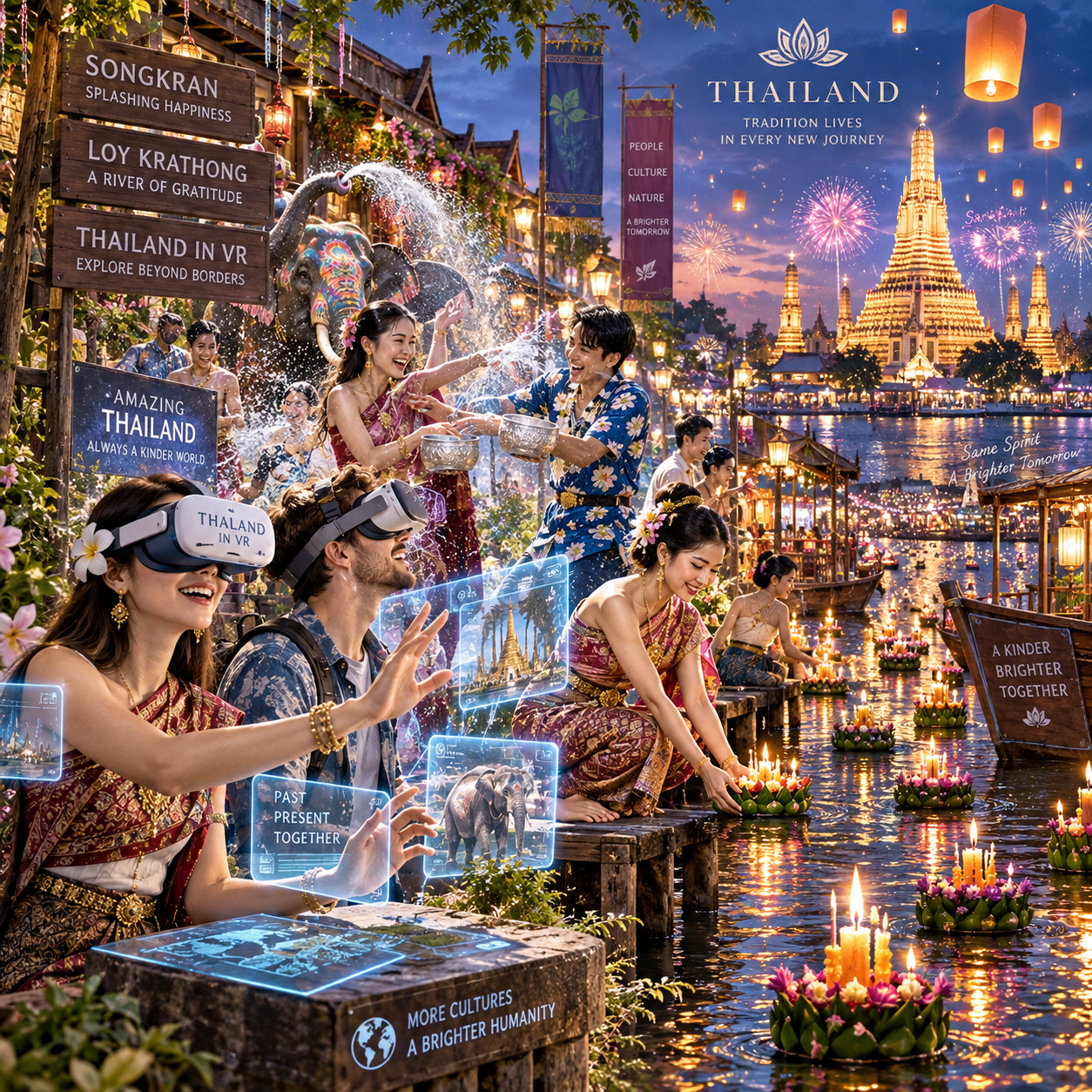
Heritage-rich sites like Ayutthaya, Sukhothai, and the old city of Chiang Mai translate particularly well into digital twin and VR formats. Coastal destinations like Phuket and Koh Samui work well for immersive 360-degree and underwater virtual experiences. Cultural events — Songkran, Yi Peng, Loy Krathong — are natural candidates for virtual attendance.
How does hybrid tourism benefit local Thai communities and businesses?
By creating virtual products — online workshops, digital festivals, streamed cultural experiences — local artisans, chefs, performers, and guides can reach global paying audiences without relying solely on physical visitor numbers. This diversifies income streams and reduces the economic vulnerability that comes with tourism seasonality.
What technology do travelers need to access virtual Thai tourism experiences?
Most virtual Thai tourism content is accessible through a standard smartphone or laptop — no specialist hardware required. More immersive experiences, like VR temple walkthroughs, benefit from a VR headset such as the Meta Quest series, but browser-based and mobile-first versions are increasingly available for broader accessibility.