
Investing in Virtual Thai Real Estate: Opportunities and Trends

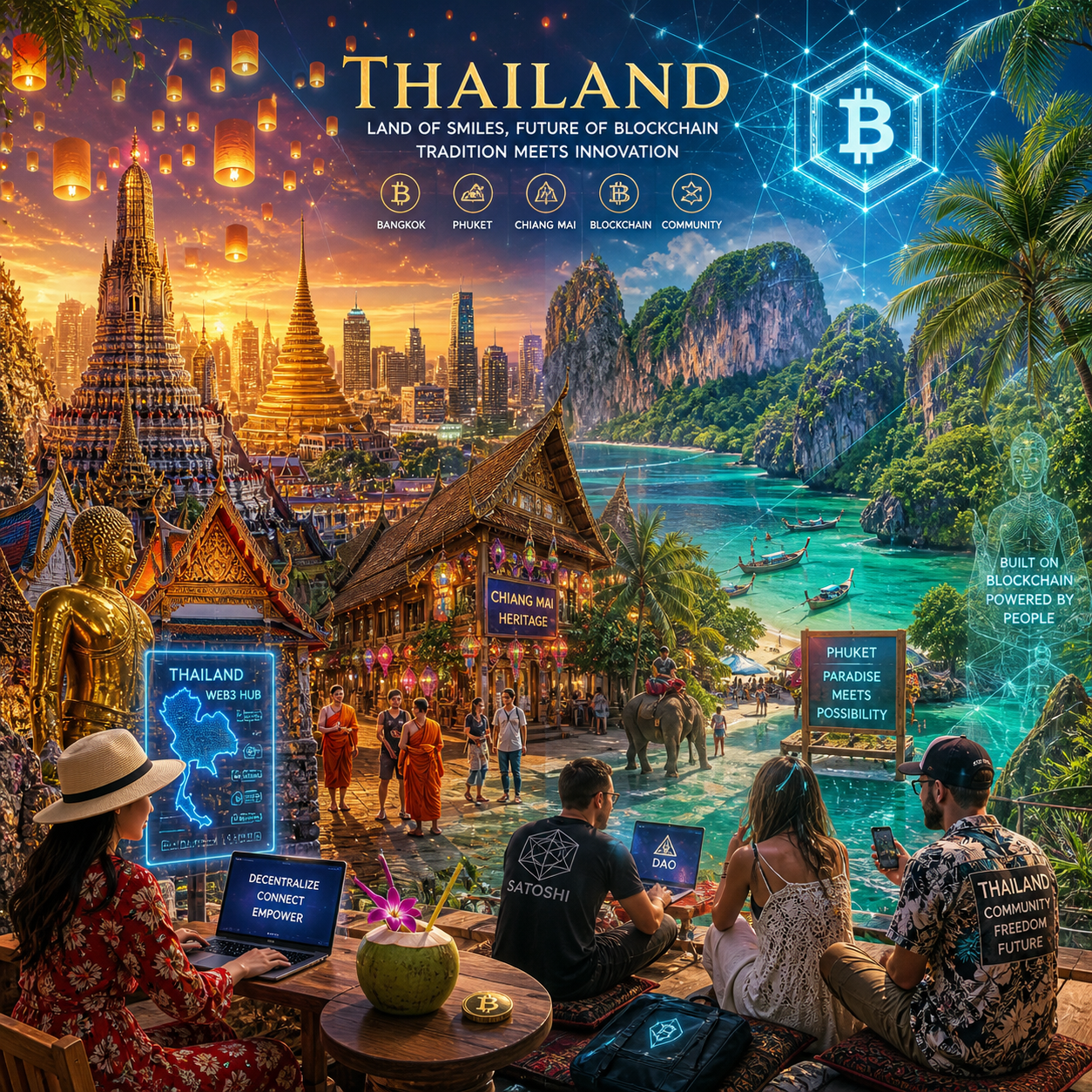
Thailand’s beaches, temples, food markets, and festivals already draw travelers from around the world. In the metaverse, those cultural touchpoints could inspire digital destinations where visitors explore, attend events, and interact with local stories. For investors, virtual Thai real estate offers a way to participate in that possibility, but it is a digital asset tied to platforms and audiences, not a claim on land in Thailand.
Understanding the distinction matters. The value of a virtual destination depends less on its resemblance to a famous place and more on whether people want to visit, what they can do there, and whether the platform can support the experience over time.
What Is Virtual Thai Real Estate?
Virtual Thai real estate is digital land or space designed around Thai places, culture, or tourism and hosted in a metaverse platform. It can support virtual tourism experiences, but it does not confer ownership of physical land or buildings in Thailand.
Virtual land is a parcel or location inside a digital world. Depending on the platform, a buyer may receive a token or NFT associated with that parcel, along with certain rights defined by the platform’s terms. The parcel might host a digital hotel, a floating market, a gallery, or a meeting space. These are software-based environments, not physical properties.
That difference has practical consequences. Buying a condominium in Thailand involves legal rights under property and land laws. Buying virtual real estate may instead mean holding a blockchain-based token that points to an asset within a particular platform. The token’s existence does not by itself guarantee that the platform will remain online, that the parcel will be editable, or that its owner can earn revenue.
In short, evaluate digital property as a combination of platform access, usage rights, and audience potential. An NFT may help record ownership of a token, while the platform’s contract and rules determine what that ownership actually allows.
Why Thailand Could Attract Metaverse Tourism Investment
Thailand could attract metaverse tourism investment because its recognizable culture and established travel appeal offer rich material for digital experiences. That appeal creates a creative opportunity, not proof of visitor demand or investment returns.
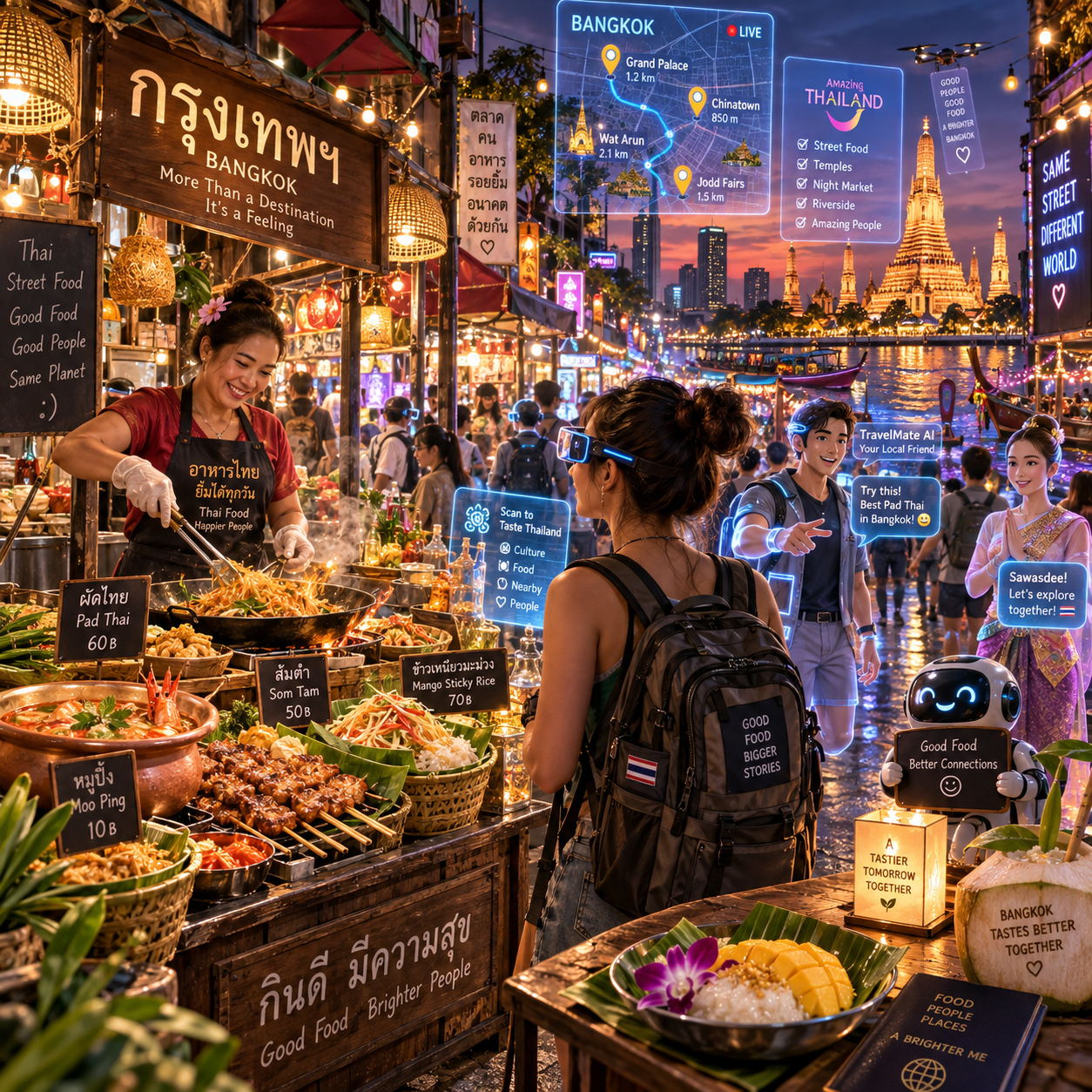
A virtual destination can let visitors explore a stylized Bangkok street, navigate a digital night market, or join a guided tour inspired by Thai architecture and food. It could also give prospective travelers a low-commitment preview before a physical trip, or offer a way to engage with Thai cultural programming from abroad. For tourism operators, creators, and local businesses, the metaverse may become an additional channel for storytelling and audience engagement.
Authenticity needs care. A digital environment that borrows Thai design without meaningful research or collaboration can feel generic or misrepresent cultural practices. Stronger concepts involve Thai artists, historians, tourism professionals, and communities in the creative process, with clear agreements about credit and compensation.
The key question is not whether Thailand is popular with travelers. It is whether a specific virtual experience gives people a reason to spend time there. A beautiful digital temple district may attract a first visit; interactive guides, seasonal events, and links to real-world travel information could encourage repeat engagement.
Where Investment Opportunities May Emerge
Investment opportunities may emerge wherever virtual land supports an engaging tourism experience or a useful service. Potential formats include digital destinations, hospitality-inspired venues, events, and tools that help visitors explore.
Possible concepts include:
- Virtual destinations: Interactive neighborhoods inspired by Thai markets, coastlines, or cultural districts, built for exploration rather than simple display.
- Hospitality-inspired experiences: Digital resorts, food demonstrations, or visitor centers that introduce real destinations and businesses.
- Events and programming: Virtual festivals, performances, cooking classes, or guided tours that bring visitors back for scheduled activities.
- Tourism-related services: Digital maps, multilingual guides, creator marketplaces, and booking referrals, where permitted by the platform and relevant partners.
Revenue might come from ticketed events, sponsorships, digital merchandise, paid experiences, or partnerships with tourism businesses. Each model depends on platform rules, customer willingness to pay, and the costs of creating and maintaining the experience. A parcel alone does not generate income. The operator still needs content, promotion, technical support, and a reason for visitors to return.
For example, a creator could build a virtual night market featuring interactive food stories and live demonstrations. The commercial case would depend on attendance, repeat visits, and partner interest, not merely on owning a central parcel. Treat any forecast as a hypothesis to test.
Trends Shaping the Virtual Property Market
Virtual property trends are being shaped by platform development, blockchain-based ownership, NFTs, and changing expectations for online experiences. Their direction remains uncertain, so investors should distinguish current platform features from future possibilities.
Some metaverse platforms use blockchain to record transactions and NFTs to represent digital assets. This can make tokens transferable between compatible wallets, but it does not make virtual land portable across different worlds. Each platform controls its own software, user rules, and technical standards. A token can remain in a wallet even if the experience tied to it changes or becomes unavailable.
At the same time, digital destinations are moving beyond static parcels in concept: operators may combine social interaction, live events, games, and creator-made content. For metaverse tourism, the stronger trend to watch is the quality of the visitor experience. Easier access, useful mobile support, and compelling programming may matter more than the size of a virtual plot.
There is also a tension between scarcity and usefulness. A platform may limit the number of parcels, but artificial scarcity does not guarantee visitor demand. Before valuing virtual land, ask whether its location has a functional advantage, such as visibility or access to an active community, and whether that advantage persists under the platform’s rules.
Risks and Due Diligence for Prospective Investors
The main risks of virtual Thai real estate are platform dependence, uncertain liquidity, unclear ownership rights, technology changes, and speculative pricing. Investors should verify the asset’s actual rights and operating context before paying for a parcel.
Platform dependence is central: if users leave, the operator changes its rules, or the service shuts down, the land’s practical value may fall sharply. A blockchain record cannot preserve an interactive destination if its servers, software, or community disappear.
Liquidity and pricing are also uncertain. A listed parcel may not sell quickly, and a quoted price is not evidence of a reliable market. Transaction fees, currency volatility, and limited buyer interest can further affect what an investor can recover.
Review the platform’s terms, token contract, fees, and any stated intellectual-property or commercial-use rights. Check how the parcel is hosted, what happens if the platform changes, and whether the project has an active user community. If the investment pitch promises guaranteed returns or treats an NFT as equivalent to Thai land ownership, consider that a warning sign.
Common mistakes include buying a parcel because it is near a famous digital landmark without checking foot traffic, assuming an NFT guarantees control over content, and budgeting for the purchase but not ongoing development. Avoid them by testing the platform as a visitor, reading the rights documents, and estimating the full cost of building and maintaining an experience.
A Practical Framework for Evaluating Opportunities
Evaluate a virtual tourism property by testing five things: audience demand, experience quality, platform longevity, total costs, and exit options. If any one is unclear, treat the opportunity as higher risk rather than filling the gap with optimistic assumptions.
Use these questions before committing funds:
- Audience demand: Who is the intended visitor: Thailand enthusiasts, future travelers, gaming communities, or another group? What evidence shows they already engage with similar experiences?
- Experience quality: What can visitors actually do? Is there a guided tour, event calendar, interactive story, or other reason to stay and return?
- Platform longevity: Is the platform active and accessible on the devices your audience uses? Review its recent development, user activity, moderation, and published terms.
- Total costs: Include the parcel, transaction fees, design, software, moderation, promotion, and regular updates. Who will operate the destination after launch?
- Exit options: Can the token be transferred or resold under platform rules? Is there a meaningful buyer market, and what happens to the experience if you stop maintaining it?
A useful discipline is to separate the experience case from the asset case. First ask whether the destination could attract visitors and support a viable activity. Then ask whether owning this particular virtual parcel is necessary to deliver that activity. Sometimes a partnership or short-term lease may test the concept with less exposure than buying land outright.
Frequently Asked Questions
Is virtual land the same as owning property in Thailand?
No. Virtual land is an asset or access right within a digital platform; it does not grant ownership of physical Thai land or buildings.
How can a virtual destination earn revenue?
Possible sources include paid events, sponsorships, digital goods, and tourism partnerships. Income depends on visitor demand, platform rules, and operating costs; it is not automatic.
What risks should buyers consider before investing?
Consider platform failure or rule changes, low resale demand, unclear commercial rights, technology changes, ongoing costs, and speculative pricing.
Does owning an NFT guarantee control of virtual land?
No. An NFT may identify or record a token, but the platform’s terms define the associated rights. It does not automatically guarantee control of content, permanent access, or cross-platform use.